

Dry Needling Gregory Hills
If you’re looking for dry needling in Gregory Hills, our physiotherapists provide dry needling as one of a number of treatments for muscle pain, tightness and restricted movement.
At Phoenix, this service isn’t used as a one-size-fits-all treatment. We start by assessing your symptoms, movement and the activities that are important to you. If dry needling is appropriate, it may be incorporated into your treatment plan alongside exercise prescription, movement advice, education or hands-on physiotherapy.
Our Gregory Hills team may provide dry needling for people experiencing a range of musculoskeletal problems, from persistent neck and back discomfort to muscle soreness and sports-related injuries.
Currently, this approach is provided by our physiotherapist, Sahar. Please be sure to select the correct practitioner when booking your appointment online.
Book a dry needling appointment at our Gregory Hills clinic.
What Is Dry Needling?
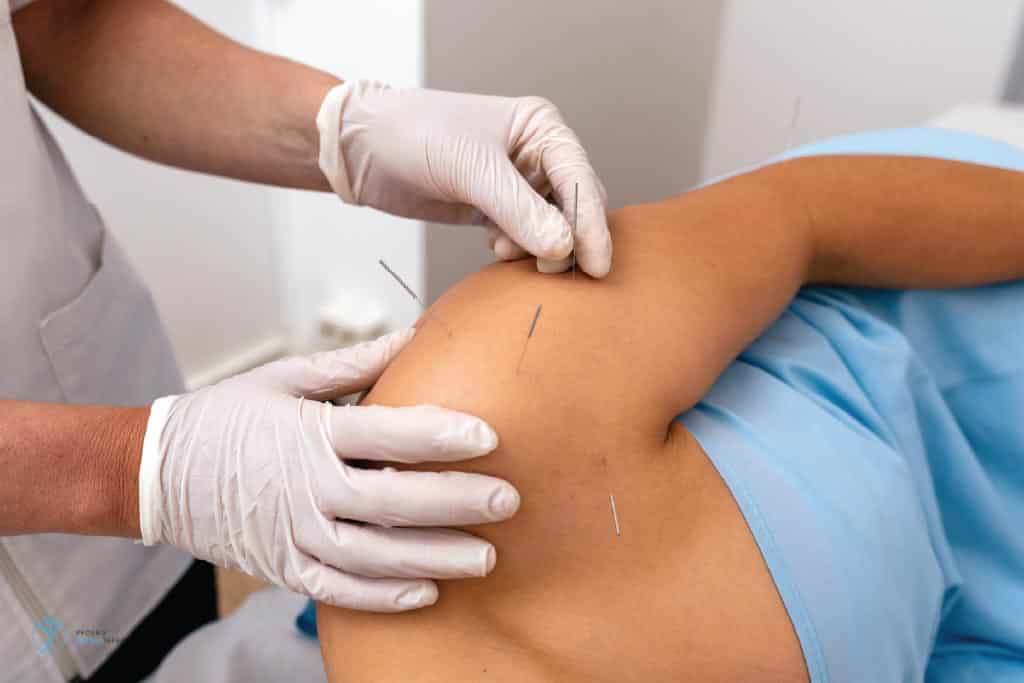
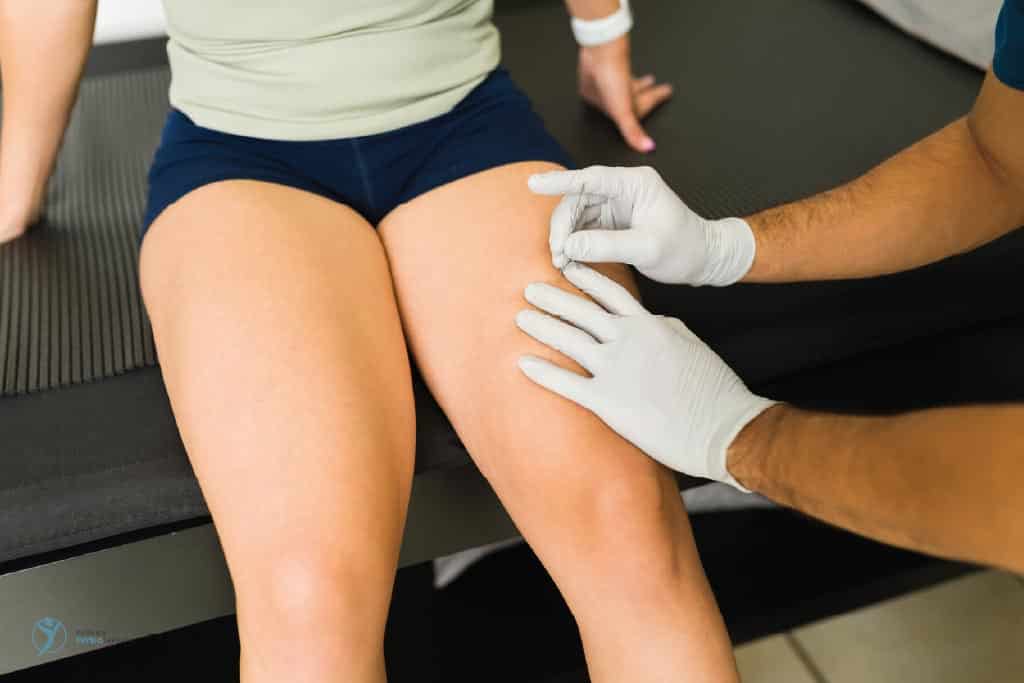
Dry needling is a treatment technique in which a physiotherapist inserts a very fine, sterile needle into selected areas of muscle or soft tissue.
Unlike an injection, nothing is injected into the body, which is where the term “dry” needling comes from.
Physiotherapists may use dry needling when pain, muscle sensitivity or tightness is contributing to a person’s symptoms or limiting comfortable movement. The technique can be directed to specific areas identified during your assessment and is generally used as one component of a broader treatment plan.
At Phoenix, we don’t assume that every painful or tight muscle needs to be needled. Your practitioner will first assess what may be contributing to your symptoms and discuss whether dry needling is a suitable option for you.
What Can Dry Needling Help With?
People often seek dry needling when an area feels persistently tight, sore or uncomfortable, particularly when this is affecting movement, exercise, work or sport.
Depending on your assessment, our practitioners may consider the technique as part of treatment for:
✅ Neck and shoulder pain or tightness
✅ Lower and upper back pain
✅ Muscle aches and soreness
✅ Sports-related muscle pain or tightness
✅ Calf, hamstring and quadriceps tightness
✅ Muscular discomfort associated with some headaches
✅ Restricted or uncomfortable movement
✅ Muscle soreness associated with musculoskeletal injuries
Whether dry needling is appropriate depends on the individual. Two people with similar symptoms may require different approaches, which is why we'll assess your concerns before considering which treatment options to use.

What Are the Benefits of Dry Needling?
The potential benefits of dry needling will vary depending on the person and the problem being treated.
For some people, dry needling may help to temporarily reduce pain or muscle soreness, decrease the sensation of muscular tightness and make movement or exercise feel more comfortable.
This can be particularly useful when symptom relief allows you to participate more comfortably in the active parts of rehabilitation.
However, we don’t view dry needling as a standalone solution to every musculoskeletal problem. When appropriate, it may be combined with exercise, strengthening, mobility work, education and other physiotherapy treatments based on what is most relevant to your recovery.
Dry Needling vs Acupuncture: What’s the Difference?
Dry needling and acupuncture both involve the insertion of fine needles through the skin, but the approaches are not the same.
Acupuncture has its origins in traditional Chinese medicine, although acupuncture is now practised using a range of traditional and contemporary approaches.
Dry needling is commonly used by physiotherapists and other healthcare practitioners within the management of musculoskeletal pain and movement problems. The selection of areas to needle is based on the practitioner’s clinical assessment and the symptoms or physical findings being addressed.
If you’re unsure whether dry needling is appropriate for your problem, your physiotherapist can discuss the available treatment options with you following an assessment.
What to Expect During a Dry Needling Appointment
Your appointment at Phoenix Physiotherapy begins with a physiotherapy assessment rather than immediately proceeding to dry needling.
We’ll discuss your symptoms, how long they have been present, what aggravates or relieves them and how they are affecting your everyday activities, work, training or sport. Your physiotherapist may then assess your movement, strength and other relevant physical findings.
If dry needling is appropriate and you’re comfortable proceeding, your physiotherapist will explain the treatment before beginning.
Fine, sterile, single-use needles are inserted into selected areas for a period of time determined by your physiotherapist. Depending on the area being treated, you may feel very little, a brief prick, an ache or a short muscle response.
Dry needling may then be followed by other treatment where appropriate, such as movement, exercise, strengthening, mobility work, manual therapy or advice about managing your symptoms.
The aim is not simply to needle the area and send you on your way. We want to understand the problem and help you return to comfortable, confident movement.
Does Dry Needling Hurt?
One of the most common questions we hear is: does dry needling hurt?
Everyone experiences needling differently. The needles used are very fine, and some people barely notice their insertion. At other times you may experience a brief prick, ache, cramping sensation or involuntary muscle response.
Some temporary soreness around the treated area can also occur after dry needling. Your physiotherapist will explain what to expect and can stop or modify treatment at any point if you are uncomfortable.
If you’re nervous about needles, let us know. Dry needling is only one treatment option and you don’t need to have it if you would prefer another approach.
We provide dry needling in Gregory Hills from our local clinic, with treatment performed by qualified physiotherapists as part of an individual assessment and treatment plan.
Our clinic sees patients from Gregory Hills and surrounding areas including Gledswood Hills, Oran Park, Harrington Park, Narellan, Camden and across the Macarthur region.
If you have been searching for “dry needling near me” and you live or work around Gregory Hills, you can book directly with our clinic without needing a referral for a private physiotherapy appointment.
Frequently Asked Questions (FAQs)
Dry Needling in Gregory Hills
If muscle pain, tightness or restricted movement is bothering you, our physiotherapists can assess the problem and determine whether dry needling could be an appropriate part of your treatment.